Industry Horizon 2025–2030
Next-Gen Sourcing Trends for Qualcomm aptX Audio Earbuds
As AI tools and high-bandwidth mobile hardware reshape consumer expectations, procurement teams must evaluate how upcoming technology trends will impact inventory longevity and brand equity. Sourcing decisions made today must accommodate four crucial technological shifts currently defining the wireless audio manufacturing landscape:
1. The Transition to Qualcomm aptX Lossless & Snapdragon Sound Ecosystems
The standard consumer audio market is undergoing a major transition toward lossless resolution. While first-generation aptX delivered 16-bit/44.1kHz compression using Adaptive Differential Pulse Code Modulation (ADPCM), Snapdragon Sound with aptX Lossless unlocks bit-for-bit accurate CD-quality playback over Bluetooth (1.1–1.2 Mbps). Sourcing Qualcomm aptX audio earbuds built on scalable architectures (such as Qualcomm QCC3071 / QCC5171) ensures seamless backwards compatibility with older devices while allowing distributors to market future-proofed, true uncompressed audio solutions.
2. Convergence of Bluetooth LE Audio and LC3 Codec Co-existence
The rollout of Bluetooth Low Energy (LE) Audio and the mandatory LC3 codec introduces multi-stream audio sharing (Auracast) and reduced power consumption. However, LC3 serves primarily as a baseline efficiency standard. Qualcomm aptX Adaptive dynamically bridges the gap by toggling between ultra-low power LC3/aptX modes during simple voice communication and scaling up to 96kHz high-resolution streams during lossless music listening or low-latency gaming. B2B buyers must partner with manufacturers whose firmware supports dual-mode classic and LE Audio stacks.
3. Hardware-Level Edge AI & Environmental Acoustic Calibration
Generic noise cancellation algorithms often suppress user vocal clarity alongside unwanted background noise. Future Qualcomm aptX audio earbuds leverage hardware-level Neural Processing Units (NPUs) built into Qualcomm QCC platforms. By running real-time machine learning inference directly on the bud, these micro-processors distinguish between human voice formants and unpredictable transient noises (such as wind shear, cafe chatter, or subway friction), optimizing call quality via cVc 8.0 without draining main battery cells.
4. Energy Efficiency & Ultra-Low Active Current Consumption
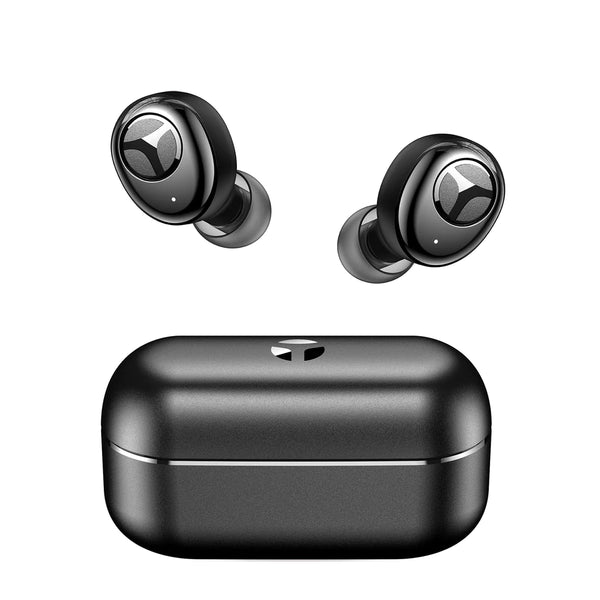
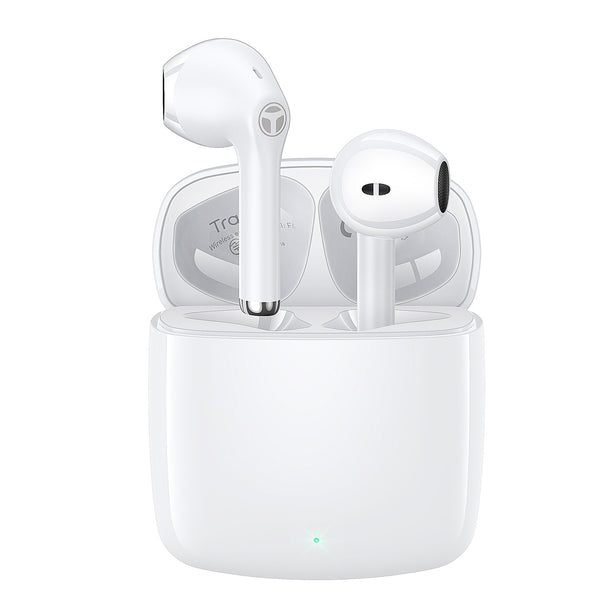
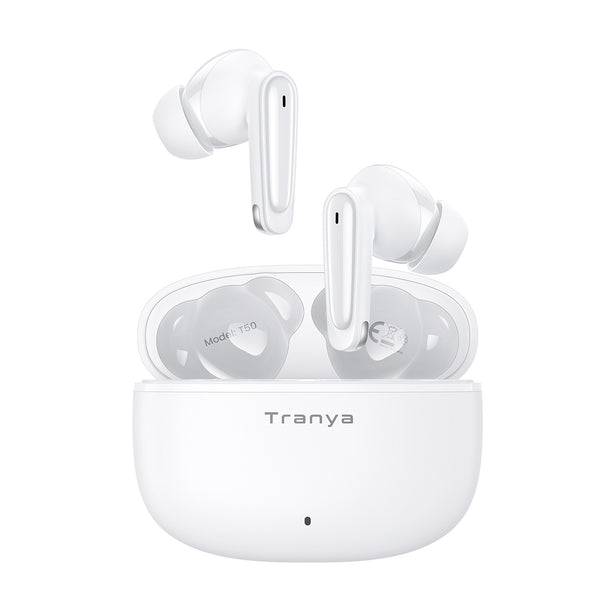
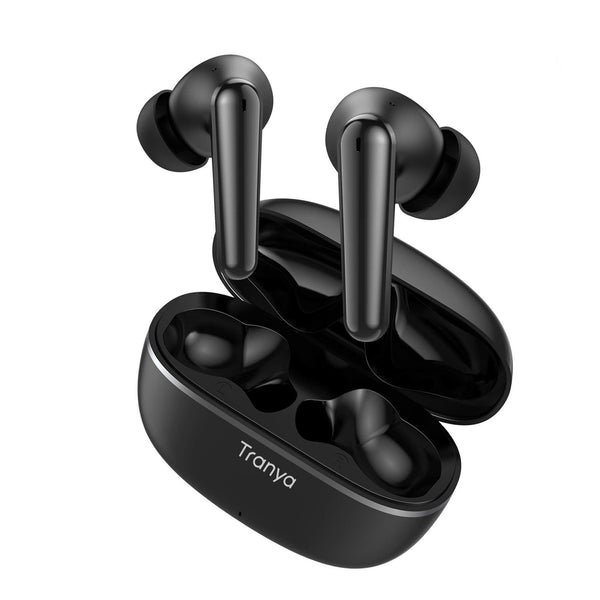
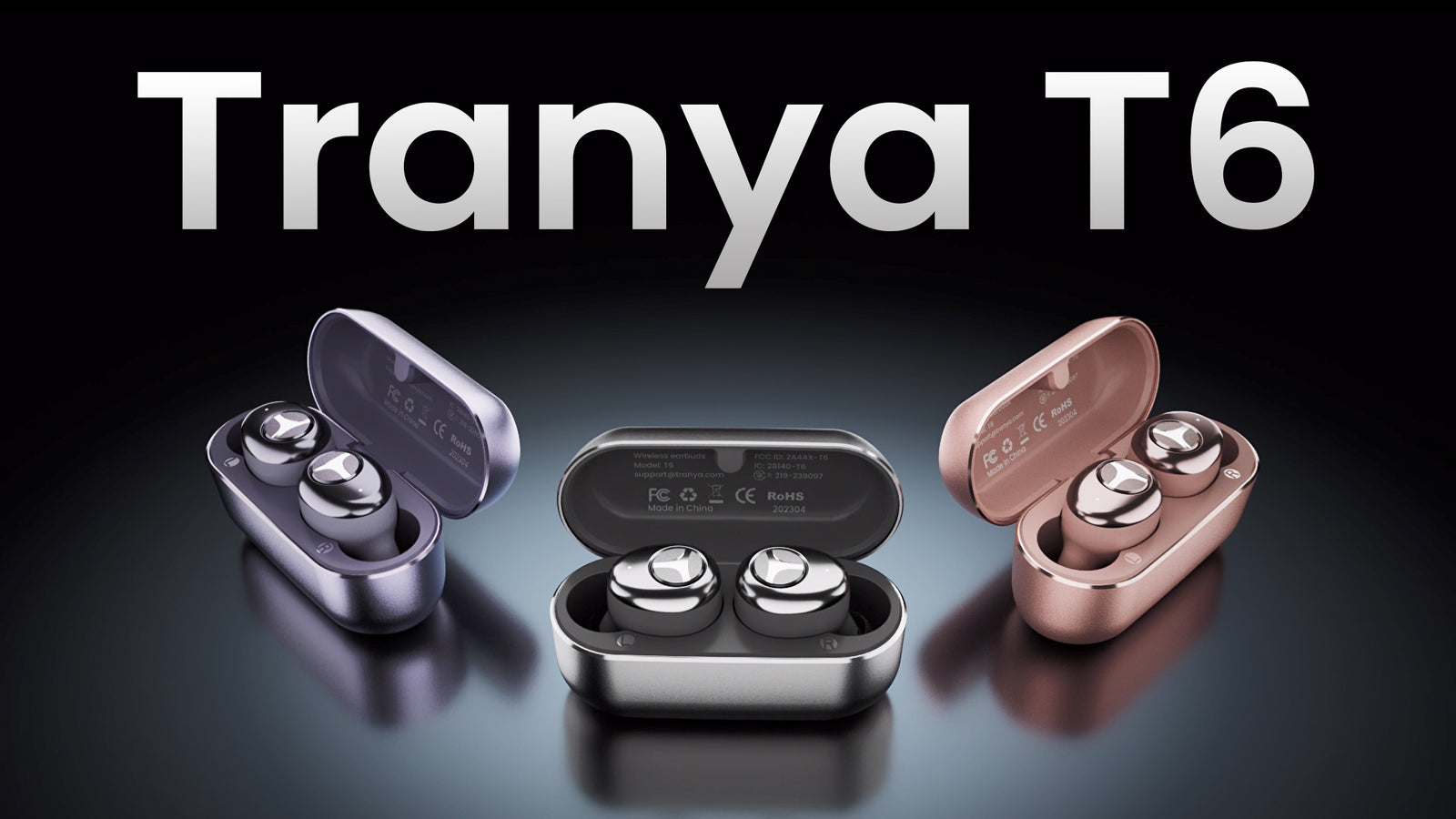
Battery size remains the ultimate physical constraint in TWS micro-acoustics. Advances in Qualcomm 22nm and 14nm wafer manufacturing processes have reduced active audio streaming power consumption to below 4.5mA on QCC3040/3071 platforms. This allows OEMs like Tranya to manufacture ultra-compact, 4.5-gram earbuds that achieve 7 to 9 hours of continuous playback per charge—dramatically enhancing consumer satisfaction scores and driving down warranty return claims.