
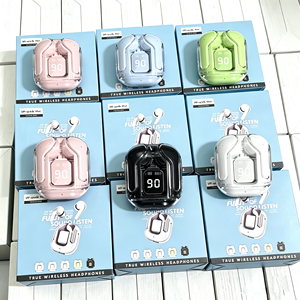
Wholesale Price Airoha Earbuds ANC Wireless Earphones Headphones Earbuds Waterproof IPX4 HIFI Noise Cancellation
Airoha Chipset
Hybrid ANC
IPX4 Hydrophobic
Send an Inquiry
Engineered for tropical climate durability, low-latency mobile gaming, and high ambient noise cancellation.
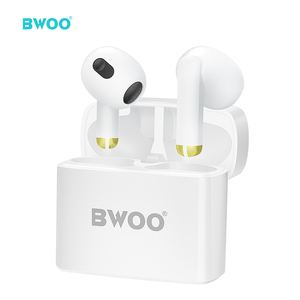
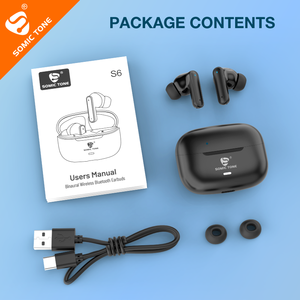
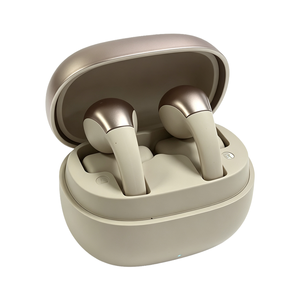
Indonesia stands as the largest digital economy in Southeast Asia, with a population exceeding 275 million people and a rapidly expanding tech-savvy youth demographic. Driven by the mass adoption of smartphones, high-speed mobile internet, and the booming gig economy (epitomized by ride-hailing giants like Gojek and Grab), the demand for wireless personal audio has surged exponentially. According to recent market intelligence, the TWS (True Wireless Stereo) earbuds segment in Indonesia is expanding at a Compound Annual Growth Rate (CAGR) of over 8.4%, making it one of the most lucrative markets for consumer electronics brand owners, local importers, and e-commerce merchants operating across Tokopedia, Shopee, and TikTok Shop Indonesia.
However, importing audio hardware into Indonesia presents unique logistical, climatic, and regulatory challenges. Local consumers expect premium audio performance—specifically deep, resonant bass response (preferred for regional music genres like Dangdut and local pop) paired with crystal-clear Environmental Noise Cancellation (ENC) for outdoor calls amidst dense Jakarta or Surabaya traffic. Simultaneously, local brand owners require OEM (Original Equipment Manufacturer) and ODM (Original Design Manufacturer) supply chain partners in China capable of handling private-label branding, customized firmware localized in Bahasa Indonesia, and strict adherence to regional certification mandates.
Key Strategic Takeaway for Importers: Winning market share in Indonesia requires moving beyond commodity audio. Successful brands partner with direct OEM factories that integrate high-tier chipsets (Airoha, Qualcomm, Jerry/JL), tropicalized anti-corrosion PCB coatings, and full compliance documentation for SDPPI (DJSDPPI) type approval.
A true OEM audio exporter must design products around the actual daily usage patterns of end consumers. In Indonesia, four primary lifestyle scenarios dictate product failure rates, customer satisfaction scores, and repeat purchase rates:
Indonesia's urban transport relies heavily on motorbikes and public transit. Riders experience ambient wind noise exceeding 85dB. OEM earbuds equipped with 4-Microphone ENC and CVC 8.0 cancel environmental road noise, ensuring crystal-clear phone calls for riders on the go.
Mobile gaming is a national pastime in Indonesia, led by titles like Mobile Legends: Bang Bang, Free Fire, and PUBG Mobile. Standard Bluetooth delay (200ms) causes visual-audio desync. Our OEM gaming earbuds utilize ultra-low latency dual-mode audio codecs under 38ms.
Indonesia experiences relative humidity levels averaging 80% to 90% alongside high ambient heat. Moisture and sweat rapidly corrode standard circuitry. Our factory applies nano-hydrophobic conformal coating over internal PCBs, achieving certified IPX5 to IPX7 waterproof ratings.
Understanding local market dynamics enables importers to order the right product mix from factory suppliers. Over the past 24 months, several key market shifts have redefined the wholesale audio landscape in Jakarta, Bandung, Medan, and Surabaya:
Data from Tokopedia and Shopee Indonesia indicates that consumer conversion rates peak within three specific price tiers: Budget-Entry (IDR 99,000 to 199,000), Mid-Tier Value (IDR 250,000 to 450,000), and Premium Performance (IDR 500,000+). OEM buyers can maximize profit margins by selecting factory configurations customized to these exact retail windows. For instance, pairing a cost-effective Jerry JL7006 chipset with lightweight housing allows distributors to dominate the high-volume budget tier, while utilizing Airoha AB1562M or Qualcomm QCC3040 chips captures the high-margin mid-to-premium segment.
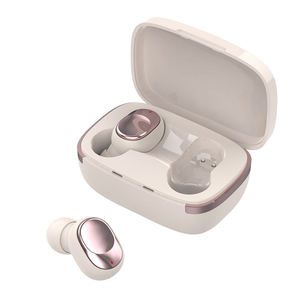
While traditional in-ear silicon-tip earbuds remain popular for noise isolation, Open-Wearable Stereo (OWS) and ear-clip designs (such as our BUKU TWS series) are growing rapidly. Indonesian outdoor enthusiasts, runners, and office workers prefer open-ear designs because they offer situational spatial awareness, preventing traffic accidents during outdoor use while eliminating canal fatigue caused by high heat and ear canal humidity.
Top-tier Indonesian electronics brands are differentiating themselves from unbranded cross-border sellers by offering localized user experiences. As an experienced exporter, our factory provides custom firmware flashing that integrates custom Bahasa Indonesia voice guidance (e.g., "Terhubung", "Daya Matikan", "Mode Game Aktif") and tailored Bluetooth pairing IDs that strengthen brand recall.
To assist procurement officers, audio product managers, and supply chain leads, the following matrix outlines the factory specifications engineered for our Indonesian export lines:
| Product Category | Target Chipset | Acoustic Architecture | Latency / ANC Profile | Tropical IPX Rating | Primary Market Channel |
|---|---|---|---|---|---|
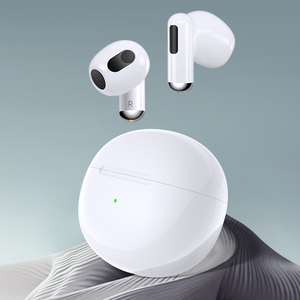
| Flagship Hybrid ANC | Airoha AB1562M / Qualcomm | 13mm Titanium Dynamic Driver | -35dB Active Noise Cancelling | IPX4 Hydrophobic | Premium Retail & Shopee Mall |
| Esports Gaming TWS | JL7006 / PixArt Gaming | 10mm Polymer Composite | 38ms Ultra-Low Latency Mode | IPX5 Sweatproof | Tokopedia Power Merchants |
| Sports Open-Ear (OWS) | Airoha Stereo / JL TWS | 16.2mm Directional Driver | Dual-Mic CVC Call Noise Isolation | IPX6 Outdoor Rainproof | Fitness & Lifestyle Stores |
| Budget Utility TWS | JL6983 / Bluetrum | 8mm Neodymium Driver | Standard Low Latency (60ms) | IPX4 Daily Water Resistant | TikTok Shop Flash Sales |
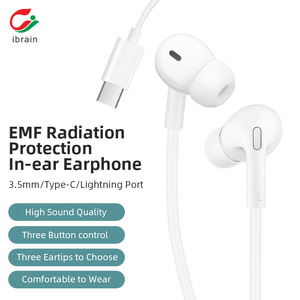
| EMF Shielded Air-Tube | Wired Acoustic Duct | Electromagnetic Shield Module | Zero Latency (Analog Signal) | Standard Sealed | Health & Medical Channels |
Exporting radio-frequency telecommunications equipment (including Bluetooth TWS earbuds) into the Republic of Indonesia requires strict compliance with local government regulations enforced by the Direktorat Jenderal Sumber Daya dan Perangkat Pos dan Informatika (SDPPI / POSTEL) under the Ministry of Communication and Information Technology (Kominfo).
Importers cannot clear telecommunication goods through Indonesian customs at Tanjung Priok (Jakarta) or Tanjung Perak (Surabaya) ports without a valid SDPPI certificate issued to their local business entity (PT / PT PMA). Our factory simplifies this process by providing full technical documentation packages, including RF (Radio Frequency) test reports, EMC reports, safety certificates, and sample units pre-flashed with required test software for accredited laboratories (such as BALAI BESAR PENGUJIAN PERANGKAT TELEKOMUNIKASI).
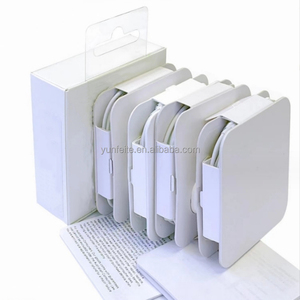
Consumer preferences in Indonesia strongly favor environmentally conscious and ethically packaged goods. We support OEM client customization with FSC-certified recyclable cardboard, soy-based non-toxic inks, and customized gift-box artwork adhering to local Indonesian consumer protection labeling laws (including Bahasa Indonesia manual inserts and importer registration details).
We work seamlessly with designated freight forwarding partners serving major Indonesian ports and international airports (Soekarno-Hatta CGK). Whether your enterprise requires FOB Shenzhen, CIF Jakarta, or complete Door-to-Door DDP (Delivered Duty Paid) shipping with local customs clearance handled, our export team ensures complete shipping manifest accuracy, avoiding costly customs delays or tax penalties.
Everything you need to know about custom OEM earbud manufacturing, regulatory compliance, ordering procedures, and shipping logistics.
Get in touch with our B2B sales engineers today for factory-direct wholesale price quotes, custom OEM branding samples, and technical SDPPI compliance consultation.