Engineered in our ISO9001-certified acoustic labs. Available for custom logo branding, firmware customization, bulk supply, and turnkey packaging.
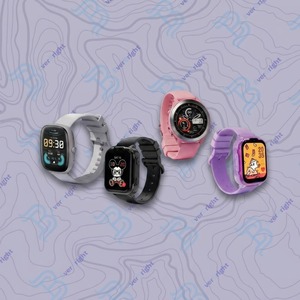
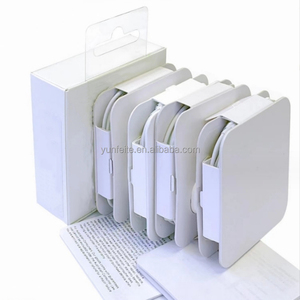
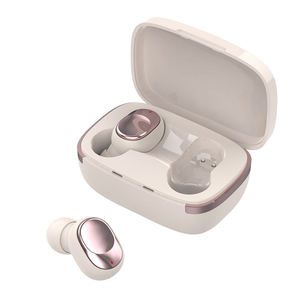
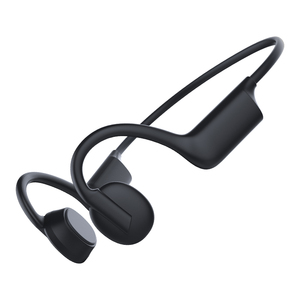
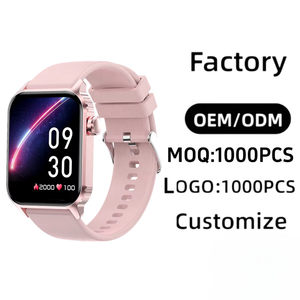
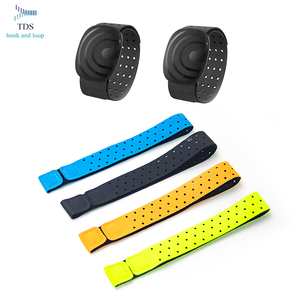
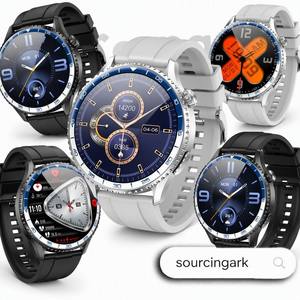
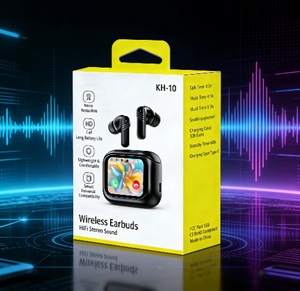
The global true wireless stereo (TWS) market has reached an unprecedented level of technological maturity. Consumers no longer accept clunky mechanical switches that press uncomfortably into the ear canal. Instead, capacitive touch controls have become the industry baseline. However, manufacturing high-yield, reliable, and sweat-resistant touch control TWS earbuds requires overcoming significant acoustic, electrical, and ergonomic hurdles.
As a premier touch control earbuds manufacturer and factory, our R&D facilities focus on solving the technical friction points that plague generic OEM audio products: false touch triggers caused by sweat or rainwater, capacitive insensitivity during workouts, signal cross-talk with high-density Bluetooth antennas, and latency during touch command processing.
While physical push-buttons offer tactile feedback, they compromise structural integrity, lowering ingress protection (IP) ratings and causing acoustic pressure changes inside the acoustic cavity during actuation. Advanced Capacitive Touch ICs integrated into modern TWS architectures utilize differential sensing algorithms to distinguish intentional double-taps from accidental surface contact, offering an IPX7 waterproof rating without sacrificing driver performance.
Generic white-label TWS factory units frequently suffer from user frustration due to unwanted pauses, track skips, or volume spikes caused by wet fingers or hair brushing against the earbud stem. Our proprietary touch control architecture integrates localized micro-controllers running firmware-level capacitance monitoring. By measuring capacitance rise-time (\(\Delta C / \Delta t\)), the chip filters out broad surface contact (like a shower spray or palm grip) while registering precise single, double, triple, and long-press tap signatures within 40 milliseconds.
Integrating touch sensors into a micro-sized earbud housing presents severe acoustic packaging challenges. The touch panel module sits adjacent to the high-frequency Bluetooth antenna and driver voice coil. Without adequate electromagnetic shielding and physical acoustic dampening, touch control operations can generate unwanted microphonic clicks or electrical noise in the audio signal path.
Our factory utilizes customized high-density PCB layouts featuring isolated ground planes and localized Faraday shielding for the capacitive touch trace. Coupled with our SonicMax Acoustic Tuning, our dynamic titanium-plated composite drivers deliver rich, resonant sub-bass (down to 20Hz) and crystal-clear high-frequency extension (up to 20kHz) entirely free of RF interference or touch-circuit noise floors.
From raw schematic design to high-throughput automated assembly lines, our infrastructure is optimized for quality, compliance, and scalability.
Complete flexibility in stem design, semi-in-ear or in-ear ergonomics, custom charging case molds, and full touch-panel custom glass finishes.
Incorporating dual and quad microphone arrays powered by neural-network AI noise cancellation algorithms, achieving up to 38dB active noise attenuation.
Firmware optimization delivers sub-40ms gaming mode audio-video synchronization, making our touch-control TWS ideal for mobile esports and streaming.
Precision nano-coating technology and ultrasonic housing enclosure sealing guarantee complete protection against heavy sweat, rain, and water immersion.
Leading the market trend with full-color OLED touch screen charging cases that display real-time battery status, equalizer presets, and call management.
High-energy-density lithium-polymer battery cells coupled with low-power Qualcomm and JL chipsets deliver up to 9 hours of continuous playback per charge.
For enterprise procurement officers, brand managers, and consumer electronics distributors, understanding tech migration timelines is essential to avoid stock obsolescence. Based on our factory’s product roadmap and consumer research, four key macro-trends are shaping the smart audio manufacturing landscape over the next five years:
| Technology Vector | Legacy OEM Standard | Next-Gen Factory Standard (2025-2030) | Commercial Value for Brands |
|---|---|---|---|
| Touch Interface | Basic Single-Point Capacitive IC | Multi-Gesture Touch + Smart Case Touch Screen | Higher ASP (Average Selling Price) & Modernized UX |
| Noise Cancellation | Single-Mic CVC Voice Processing | AI Deep-Neural Network (DNN) + Quad-Mic ANC | Substantial Reduction in Product Return Rates |
| Water Protection | Mesh Filters (IPX4) | P2i Nano-Coating + Sealed Cavity (IPX7/IPX8) | High Durability for Sports & Active Categories |
| Latency Performance | 120ms - 200ms Standard BT Latency | 35ms Ultra-Low Latency Gaming Dual Link | Expands Market Capture to Mobile Gamers |
| Smart Wearable Convergence | Audio Only | Heart Rate / SpO2 Sensors integrated into TWS | Entry into High-Margin Health & Fitness Sectors |
When sourcing from an OEM TWS factory in China, buyers must evaluate more than just unit costs. High-volume buyers should request standardized engineering documentation including:
Our engineering quality and design standards have earned top accolades from major technology review outlets globally.





Detailed technical and commercial answers for enterprise procurement officers and brand distributors.
Speak directly with our senior acoustic engineers and OEM project managers. We provide complimentary engineering consultation, sample prototyping, and full factory pricing breakdowns for your brand’s custom requirements.