Engineered for global wholesale, enterprise brand licensing, and medical-grade OEM customization. Explore our certified smartwatches and precision acoustics.
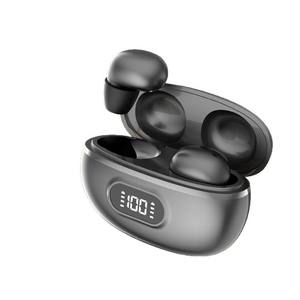
Bluetooth 5.4, Active Noise Cancellation, IPX5 Waterproof, Ergonomic Sleep & Sport Architecture.
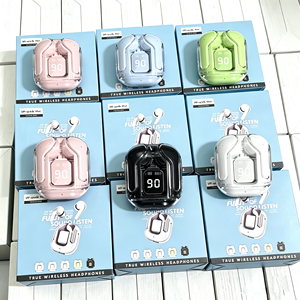
Airoha Chipset, Hybrid ANC Noise Cancellation, IPX4 Waterproof, HiFi Acoustic Tuning.
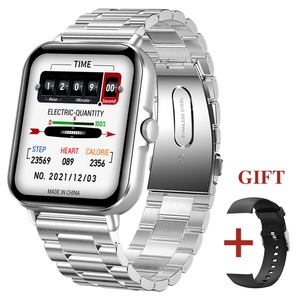
Full Touch Dial, HD Bluetooth Calling, Fitness & Heart Rate Tracking, IP67 Waterproofing.
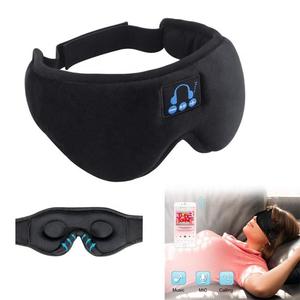
Breathable Ultra-thin Eye Mask, Bluetooth V5.0 Headset, HD Call Microphone, Dropshipping Ready.
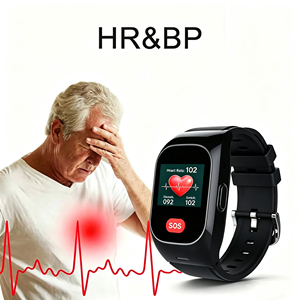
Elderly Health Monitor, Real-time GPS Tracking, One-touch SOS Emergency Call, IP67 Sealed.
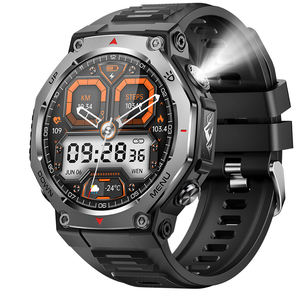
High-resolution AMOLED Display, Digital Compass, Biometric Heart Rate, IP68 Waterproof.
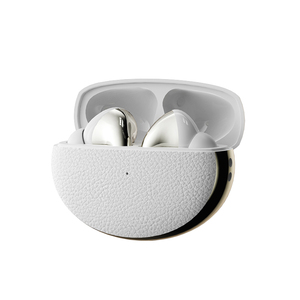
Commercial Bulk Sourcing Edition, LED Battery Percentage Indicator, Low-Latency Connection.
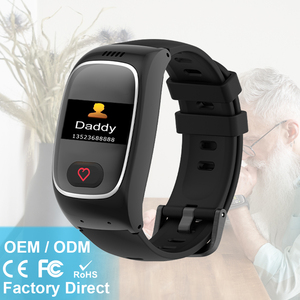
Targeted Senior Telehealth Monitor, Body Temperature Sensor, GPS Precision Locating.
In the rapidly changing consumer electronics landscape, the transition from basic Photoplethysmography (PPG) optical pulse tracking to medical-grade Single-Lead Electrocardiogram (ECG) monitoring represents a major technological leap. Enterprise procurement officers, medical equipment distributors, and OEM brand managers require a clear understanding of the hardware engineering, signal processing, and algorithmic validation that separate true clinical-grade ECG smartwatches from standard fitness bands.
Traditional optical PPG sensors estimate heart rate by measuring light absorption changes caused by arterial blood flow. However, PPG is susceptible to motion artifacts, peripheral vascular resistance, and skin tone variance. In contrast, electrocardiographic sensors capture the micro-volt electrical signals generated by the depolarization and repolarization of the myocardium during each cardiac cycle.
| Evaluation Parameter | Optical PPG Sensor Array | Single-Lead Dry Electrodes (ECG) | Dual-Engine Fusion Architecture (ECG + PPG) |
|---|---|---|---|
| Primary Data Source | Volumetric Blood Flow (Green/IR Light Reflection) | Myocardial Bio-electric Voltage (Lead-I Electrodes) | Combined Optical Pulse & Electrical Conductance |
| Arrhythmia Detection | Pulse Regularity Estimation Only | Direct P-QRS-T Waveform Analysis (AFib, PVC, PAC) | Real-time AFib Identification with Zero False Positives |
| Signal Integrity (SNR) | Moderate (Vulnerable to Motion & Vasoconstriction) | High (Requires Clean Electrode Contact & Shielding) | Ultra-High (Dynamic Noise Suppression & AI Filtering) |
| Clinical Utility | Wellness & Daily Heart Rate Tracking | Pre-diagnostic Screening & Medical Telehealth | Continuous Hospital-to-Home Remote Patient Monitoring |
A primary challenge in manufacturing durable ECG smartwatches lies in the contact interface. Wet electrodes with conductive gels are impractical for daily consumer wear. Leading ECG smartwatch factories utilize PVD-coated Stainless Steel, Titanium Alloys, or Conductive Carbon Ceramics integrated directly into the watch bezel and rear case back.
When a user touches the top frame electrode while wearing the watch, a closed circuit is formed across the chest (Lead-I configuration). The faint cardiac signal (typically between 0.5mV and 5mV) passes through an Analog Front-End (AFE) circuit integrated with high input impedance instrumentation amplifiers. OEM factories must implement strict electromagnetic shielding to eliminate 50Hz/60Hz power-line interference, static discharge, and muscular electromyographic (EMG) noise.
Trained on thousands of clinical ECG records, identifying Atrial Fibrillation, Premature Ventricular Contractions, and ST-segment shifts with high confidence.
Ultra-low noise Analog Front-End microchips featuring 24-bit ADC resolution to resolve subtle waveform fluctuations down to single microvolts.
Advanced structural bonding methods ensure dry electrode contacts maintain hermetic water-resistance under extended immersion and sweat exposure.
We provide full-stack OEM/ODM manufacturing, firmware SDK development, and regulatory documentation support for global medical distributors and tech brands.
Send an InquiryAs global healthcare systems embrace Remote Patient Monitoring (RPM) and preventative wellness, procurement strategies for smart wearable devices are undergoing a structural shift. Buying managers are looking beyond aesthetic design to prioritize sensor precision, cloud SDK readiness, and pre-compliance with global medical directives.
Future ECG smartwatches will integrate ECG bio-electricity, dual-wavelength SpO2, continuous body temperature, and PPG-derived non-invasive cuffless blood pressure (NIBP) tracking into unified multi-sensor hardware arrays.
B2B buyers increasingly request custom Bluetooth SDKs and raw EDF (European Data Format) / DICOM data access. This enables seamless connection to hospital EHRs, telemedicine portals, and corporate wellness platforms while maintaining HIPAA and GDPR compliance.
Contract factories are expected to deliver pre-tested circuit designs that streamline regional regulatory filings—such as US FDA 510(k), European Union MDR (Medical Device Regulation), and CE Class IIa certifications.
When procuring ECG smartwatches in bulk, verify that the manufacturing facility operates a dedicated SMT line for bio-potential chips with isolated grounding traces. Inadequate ground plane separation during PCB layout is the leading cause of signal distortion and high return-to-factory (RMA) rates in consumer-grade ECG wearables.
Our manufacturing partner facilities combine precision acoustic tuning with medical wearable assembly. Over 15 years of consumer electronics engineering experience informs our strict quality controls for every ECG smartwatch, smart band, and audio product leaving our cleanrooms.
Production lines operate under controlled dust-free conditions, preventing microscopic contamination of optical sensor lenses and dry electrode contacts.
100% of manufactured ECG PCBs undergo automated calibration using Fluke Index-2 simulators to ensure precise amplitude and interval measurements across all lead channels.
From housing mold fabrication and customized UI icon design to white-label iOS/Android app compilation, we offer end-to-end product development.
Essential answers covering regulatory compliance, minimum order quantities (MOQ), customization, and hardware integration.
Contact our OEM/ODM engineering desk to request product catalogs, technical documentation, factory audit reports, and wholesale pricing tiers.