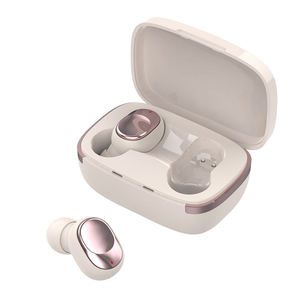
Explore our enterprise-certified product lineup, manufactured in ISO9001-certified facilities equipped with automated acoustic testing and compliance engineering.
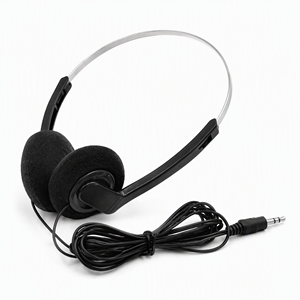
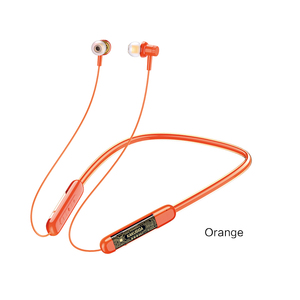

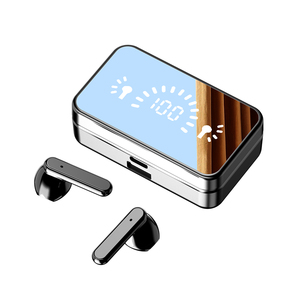
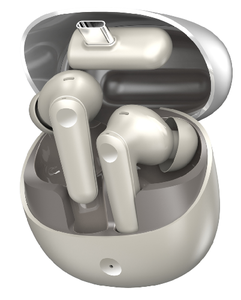
In the rapidly expanding competitive gaming and high-fidelity mobile audio sectors, latency has transitioned from a secondary user experience metric to a critical technical benchmark. Standard Bluetooth True Wireless Stereo (TWS) audio architecture traditionally suffers from latency figures ranging between 150ms and 250ms. This delay stems from algorithmic packet processing, human interface device (HID) queueing, and buffer management designed to prioritize signal stability over real-time synchronization. For interactive media, mobile esports, and virtual reality (VR) environments, latency exceeding 50ms introduces noticeable lip-sync displacement and spatial audio desynchronization.
Leading OEM/ODM factories utilize custom low-latency protocols integrated into advanced System-on-Chip (SoC) architectures from suppliers such as Qualcomm, Realtek, and Airoha. By deploying Bluetooth 5.3/5.4 LE Audio (LC3 Codec) and proprietary 2.4GHz RF dual-mode dongle solutions, tier-one manufacturers achieve glass-to-ear latency performance down to 15ms – 30ms.
For international distributors and brand importers entering the European Economic Area (EEA), regulatory compliance is mandatory. A true CE-certified low-latency earbud must satisfy rigorous European directives, ensuring electromagnetic compatibility, radio spectrum efficiency, acoustic safety, and hazardous material restriction:
| CE Regulatory Directive | Standard Reference | Technical Scope & Testing Mandate | Factory Compliance Mechanism |
|---|---|---|---|
| Radio Equipment Directive (RED) | 2014/53/EU (EN 300 328) | Wideband transmission system performance in the 2.4GHz ISM band; RF output power, transmitter spurious emissions. | RF Anechoic Chamber verification, frequency hopping algorithm calibration to prevent Wi-Fi interference. | Electromagnetic Compatibility (EMC) | EN 301 489-1 / -17 | Electrostatic discharge (ESD) immunity, radiated immunity, transient surge immunity for charging cases. | SMT-level shielding, ESD protection diodes, dynamic voltage regulation circuits. |
| Acoustic Safety (LVD) | EN 50332-1 / EN 50332-2 | Maximum sound pressure level (SPL) restrictions (<100 dBA) to prevent acoustic damage during prolonged exposure. | DSP firmware limiting algorithms, standardized head and torso simulator (HATS) output auditing. |
| Hazardous Substances | RoHS Directive 2011/65/EU & (EU) 2015/863 | Restriction of 10 hazardous chemical substances including Lead, Cadmium, Mercury, and Hexavalent Chromium. | XRF raw material screening, lead-free reflow soldering SMT lines, REACH compliant silicone ear tips. |
When specifying OEM low-latency earbuds, procurement teams must evaluate two core technological pathways:
Utilizes modified buffer frames and higher transmission rates over standard A2DP profiles. By reducing packet retransmission windows and boosting clock synchronization, native Bluetooth game modes reduce latency to 38ms - 55ms without extra hardware accessories. Ideal for smartphones and tablets.
Integrates a customized Type-C transmitter dongle operating on a uncompressed 2.4GHz ISM protocol. Bypasses mobile OS audio stack processing to deliver sub-20ms uncompressed audio sync with dual-stream LC3 codec support. Designed for professional gaming consoles (PS5, Switch) and PC setups.
The next decade of personal wireless audio will be defined by intelligent edge computing, spatial acoustic virtualization, energy-efficient transmission protocols, and multi-sensor health analytics.
Future low-latency earbuds will integrate dedicated Neural Processing Unit (NPU) co-processors trained on millions of noise profiles. Dual and quad-microphone arrays leverage Deep Neural Network (DNN) algorithms to separate human voice from ambient acoustic interference in real-time without introducing processing delays.
Low Complexity Communication Codec (LC3) replaces legacy SBC/AAC codecs, reducing bitrates by 50% while delivering higher acoustic fidelity. Auracast™ broadcast capabilities allow single source transmissions to unlimited low-latency earbud endpoints in public spaces, theaters, and gaming arenas.
Integrating photoplethysmography (PPG) optical sensors and core body temperature monitors directly into the earbud casing. In-ear biometric capture offers higher signal stability than wrist-based monitors due to concentrated capillary networks in the auditory canal.
Global supply chains for consumer electronics are undergoing structural realignments. B2B procurement leaders, audio brand directors, and consumer electronics importers are moving away from spot-market trading toward long-term ODM co-development partnerships. Key sourcing trends shaping contract manufacturing include:
Rather than paying for high up-front custom tooling ($30,000–$80,000 per private mold), global brands are opting for pre-certified modular OEM platforms. Factories provide CE, FCC, RoHS, and TELEC pre-tested PCB layouts and acoustic cavities. Brands customize CMF (Color, Material, Finish), touch surface artwork, EQ tuning curves, and packaging—reducing time-to-market from 9 months down to 45 days.
Tier-1 factories now deploy automated Audio Precision (APx555) acoustic test benches on 100% of assembly lines. Frequency response curves, total harmonic distortion (THD), and Bluetooth RF pairing sensitivity are logged against individual unit serial numbers, ensuring complete factory-to-retailer quality traceability and defect rates under 0.3%.
European buyers face stringent ESG mandates under the Corporate Sustainability Due Diligence Directive (CSDDD). Leading factories offer Post-Consumer Recycled (PCR) plastics for earbud housing and charging cases, bio-degradable soy-ink packaging, and cobalt-free lithium polymer batteries.
Forward-thinking manufacturers offer flexible Minimum Order Quantities (MOQs starting at 500 units for stock items, 1,000 units for OEM branding) backed by bonded warehouse holding. This enables international distributors to maintain lean inventory while scaling regional replenishment.
Backed by over a decade of dedicated audio research, state-of-the-art SMT lines, and standardized acoustic testing labs, our facility delivers end-to-end manufacturing solutions for leading international audio brands.
Operates 15,000 m² of dust-free cleanrooms, 12 high-speed Yamaha SMT placement lines, and comprehensive social compliance audits to meet strict European retailer sourcing standards.
Equipped with full-sized RF Anechoic Chambers, Head & Torso Simulators (HATS), spectrum analyzers, and automated waterproofing test pressure chambers up to IPX8 rating.
We handle complete certification paperwork: CE RED, EN 50332 acoustic safety reports, RoHS compliance statements, FCC ID, Telec, and UN38.3 battery transport safety documentation.
Access our complete product catalog, detailed factory audit reports, CE declaration of conformity documents, and wholesale pricing structures.
Get CatalogKey technical, compliance, and logistics answers for brand managers, electronics importers, and procurement buyers.