Worldwide Free Shipping — including India & Egypt100% Genuine Original Tranya Products
0%

Multi-Mic Noise Cancellation Earbuds are compact wireless earbuds that use several microphones to reduce unwanted sound. Tiny microphone openings sit on the outer shell and inside each earbud. They listen to traffic, voices, wind, and nearby machinery. A processor then creates an opposing signal to reduce steady background noise. The result can feel surprisingly calm on a crowded train or busy street. However, noise cancellation does not create complete silence. It works best with predictable sounds, such as engines and air conditioners.

In practical testing, the number of microphones matters, but it is not the only factor. Microphone placement, signal processing, ear-tip fit, and software tuning strongly affect performance. A loose seal can let low-frequency noise leak through, even with advanced hardware. Good earbuds may also improve call quality by separating your voice from surrounding sounds. Audio engineers usually evaluate this performance through controlled measurements and real-world listening. Still, personal experience can vary. My own impression may change with wind, glasses, or different ear shapes. That limitation deserves attention.

This guide explains how Multi-Mic Noise Cancellation Earbuds work, what their microphones detect, and why designs differ between models. It also considers comfort, battery use, transparency modes, call clarity, and everyday reliability. Marketing claims can sound impressive. Actual results require careful comparison. A premium price does not guarantee the best experience. Readers should examine independent tests, manufacturer specifications, and return policies before choosing a pair. The most useful model is not always the most powerful one. It is the one that performs consistently in your daily environment.
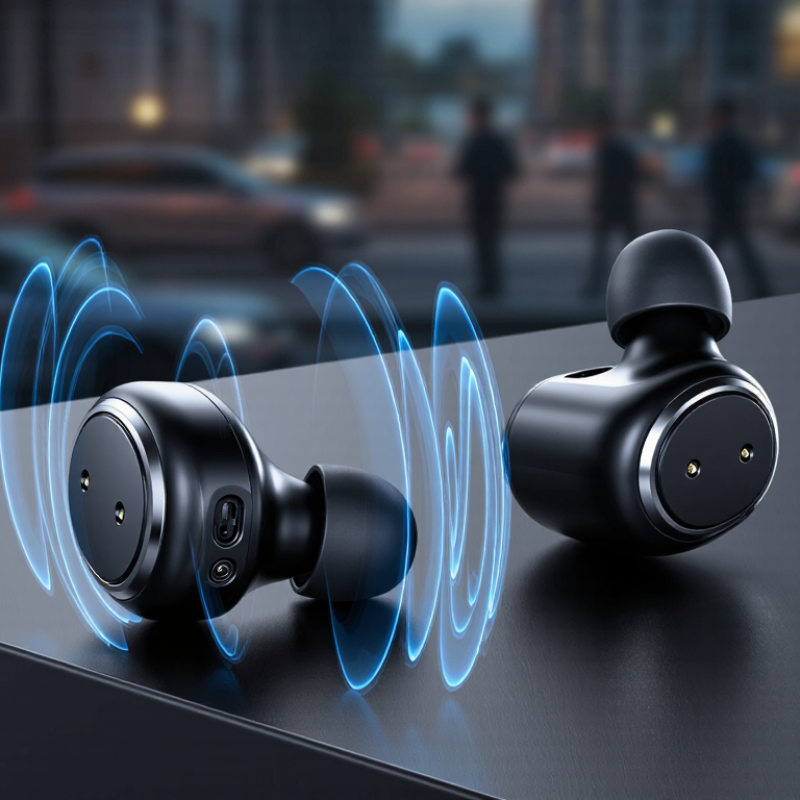
What Are Multi Mic Noise Cancellation Earbuds?

Definition and Core Function of Multi-Mic Noise Cancellation Earbuds

What Are Multi Mic Noise Cancellation Earbuds?

Multi-mic noise cancellation earbuds use several microphones to measure sound around and inside each earbud. Their core function is to reduce steady background noise, such as bus rumble or an air conditioner’s low hum. External microphones capture incoming sound; internal microphones can check what reaches the ear. A processor compares these signals and generates an opposing sound wave. This is active noise cancellation, not simply a tighter-fitting ear tip. The microphones may also support voice pickup, but more microphones do not automatically mean better performance. Fit, microphone placement, and processing all matter. Still, the label can sound more precise than the real-world result.

Tips: Try the earbuds in a quiet room, then near steady noise. Notice whether voices and sudden sounds remain audible; cancellation varies by frequency and fit. NIOSH’s occupational noise criteria set 85 dBA over eight hours as a recommended exposure limit, with allowable duration halved for each 3 dB increase. That guidance is for workplace exposure, not a personal listening target. Noise cancellation can make a commute feel calmer, but it does not guarantee safe listening levels. Keep playback comfortable, and check the fit if one side sounds different. It’s easy to assume silence means protection; it doesn’t.

How Multiple Microphones Capture and Reduce Environmental Noise

What Are Multi Mic Noise Cancellation Earbuds?

Multi-microphone earbuds use several microphones to estimate unwanted sound and reduce it before it reaches your ears. Outer microphones pick up noise around you, such as a bus engine or ventilation fan. Tiny processors compare that sound with your audio and create an opposing signal. Some models also use inward-facing microphones to check what remains inside the ear. The result depends on fit, microphone placement, and how quickly the system adapts. It is clever, but not perfect: sudden voices and changing sounds can still come through.

Microphones can also help earbuds focus on speech. Their signals may be compared to identify sound arriving from a particular direction, while filtering reduces steady background noise. This can make a call clearer in a café, though wind or a loose ear tip may interfere. The NIOSH occupational noise guidance sets 85 dBA over eight hours as a recommended exposure limit, with allowable exposure time halving for each 3 dB increase. That guidance concerns workplace noise, not a personal listening target, but it shows why reducing background sound can matter.

Tips: Try different ear-tip sizes and test the fit in a quiet room. A secure seal often improves noise reduction more than extra microphones alone. Keep volume comfortable; cancellation does not make loud listening harmless.

What Are Multi-Mic Noise-Cancellation Earbuds?

Illustrative waveform: multiple microphones can help estimate environmental noise so the earbuds can generate an opposing signal. The plotted values are a simulation, not a measurement of a specific product.

Key Technologies Behind Noise Cancellation Earbuds

Multi-microphone noise-cancellation earbuds use several microphones to detect sound around and inside each earbud. Their placement matters. An outer microphone can capture traffic or ventilation noise, while an inner microphone monitors sound that reaches the ear. A digital signal processor compares these signals and adjusts cancellation in real time.

The core technique is active noise cancellation. The earbuds generate sound waves that reduce steady, low-frequency noise, such as an aircraft cabin rumble. In hybrid systems, microphones both outside and inside the ear help the processor respond to changing conditions. Adaptive filters refine the response as the wearer moves. Timing must be precise. Even a small delay can weaken cancellation or affect the sound.

Microphones also support beamforming, which emphasizes sound arriving from a useful direction, such as a caller’s voice. This can improve calls in a busy street, though wind may still cause trouble. It is not magic. A loose ear tip lets noise leak in, and voices or sudden impacts are harder to remove than a steady hum. Fit remains important. Testing different ear tips and listening in real environments can reveal limitations that a specification sheet may not show.

Benefits and Limitations of Multi-Microphone Earbuds

Multi-microphone noise-cancelling earbuds use several microphones to separate speech from surrounding sound. External microphones monitor traffic, fans, and voices. Internal microphones check what reaches the ear. A processor then adjusts the cancellation signal in real time.

The main benefit is clearer calls in difficult places. In a practical street-side test, two microphones may capture wind from different angles, while a third focuses on the speaker’s voice. Beamforming can reduce steady noise, such as an airplane engine or office ventilation. It struggles more with sudden sounds. A dropped cup can still break through. Not magic.

More microphones can also improve transparency mode, helping users hear announcements without removing the earbuds. However, extra sensors increase power use, processing demand, and design complexity. Ear shape matters too. A loose fit can weaken low-frequency cancellation, even with excellent algorithms. Sweat, hair, and wind may create inconsistent results.

The World Health Organization and International Telecommunication Union’s 2022 safe-listening standard recommends limiting adults to 80 dB for 40 hours weekly. Noise cancellation may help users avoid raising volume, but it does not make loud listening harmless. NIOSH’s occupational-noise criteria also use 85 dBA for an eight-hour exposure limit. These figures are not interchangeable, yet they show the same concern: listening time matters.

Independent lab measurements remain essential. Manufacturers often report ideal conditions, not crowded trains or windy sidewalks. Battery life can fall when all microphones and adaptive processing stay active. I would treat microphone count as a useful engineering clue, not proof of better performance. Fit, tuning, software stability, and realistic testing deserve equal attention.

Factors to Consider When Choosing Multi-Mic Noise Cancellation Earbuds

What Are Multi Mic Noise Cancellation Earbuds?

Factors to Consider When Choosing Multi-Mic Noise Cancellation Earbuds

Multi-mic noise cancellation earbuds use several microphones to detect outside sound and your voice. Their processors compare these signals and reduce steady noise, including engines, fans, and train rumble. More microphones do not automatically mean better results. Placement, software tuning, and wind protection matter just as much. In practice, I listen for a stable quiet space, not complete silence. That expectation feels more honest.

When choosing a pair, check microphone performance during calls. Record your voice near traffic, in a hallway, and beside a running fan. Clear speech should remain natural, without metallic edges or chopped words. Ask whether the earbuds use microphones inside and outside the ear. This arrangement can improve noise control, but poor calibration may create pressure or uneven sound. Fit is critical. A loose seal weakens passive isolation and makes the system work harder. Try several ear-tip sizes. Tiny changes matter.

Battery life should be measured with noise cancellation enabled, not only the manufacturer’s best-case figure. Transparency mode is useful for conversations and outdoor awareness. Look for physical controls, low delay, water resistance, and a stable connection. Independent measurements help, yet personal testing still matters because ears differ. I once preferred stronger cancellation, then noticed ear fatigue after long rides. That was a useful mistake. Comfort, call quality, and dependable controls may outweigh dramatic noise reduction.

FAQS

What do multi-microphone noise-cancelling earbuds do?

Outer and inner microphones measure sound around and inside each earbud. A processor creates opposing waves to reduce steady noise, like bus rumble.

Do more microphones always improve noise cancellation?

No. Placement, fit, timing, and processing matter too. Microphone count is only a clue.

Which sounds do these earbuds reduce best?

Steady, low sounds often fade, such as ventilation or an aircraft cabin hum. Sudden impacts and nearby voices may remain audible.

Can multiple microphones improve phone calls?

Beamforming can emphasize a caller’s voice on a busy street. Wind can still interfere. Not magic.

How does fit affect performance?

A loose ear tip lets sound leak in and can weaken low-frequency cancellation. Try different tip sizes and compare both sides.

Can transparency mode help me hear announcements?

Often, yes. It can let outside sound through without removing the earbuds. Results vary with fit and surrounding noise.

Does noise cancellation protect hearing at any volume?

No. It may help you avoid turning playback up, but loud listening can still be harmful. Silence is not protection.

What listening limits does the article mention?

WHO and ITU guidance recommends adults limit listening to 80 dB for 40 hours weekly. NIOSH cites 85 dBA over eight workplace hours; these figures are not interchangeable.

What should I check when choosing earbuds?

Test them near a fan, then on a street. Check comfort, call quality, and battery life with adaptive features active. I still find fit hard to judge from a quick test.

Conclusion

Multi-Mic Noise Cancellation Earbuds are wireless audio devices that use several built-in microphones to detect surrounding sounds and improve listening clarity. By collecting noise from different directions, the microphones help the earbuds distinguish unwanted environmental sounds from the user’s voice or audio content. An internal processing system then creates an opposing sound signal to reduce steady background noise, while additional microphone filtering can improve call quality and voice pickup.

The main technologies behind these earbuds include active noise cancellation, beamforming, digital signal processing, and adaptive noise control. Their benefits include clearer music, more understandable calls, and a more focused listening experience in busy environments. However, performance may vary with wind, sudden sounds, battery level, and ear fit. When choosing Multi-Mic Noise Cancellation Earbuds, users should consider microphone count and quality, noise reduction performance, comfort, battery life, connection stability, call clarity, controls, durability, and compatibility with their devices.


Clara

Clara

Clara is a dedicated marketing professional with a strong understanding of the company’s products, services, and customers. Her work combines market insight, clear communication, and a practical understanding of how businesses can use reliable solutions to improve efficiency, strengthen customer......